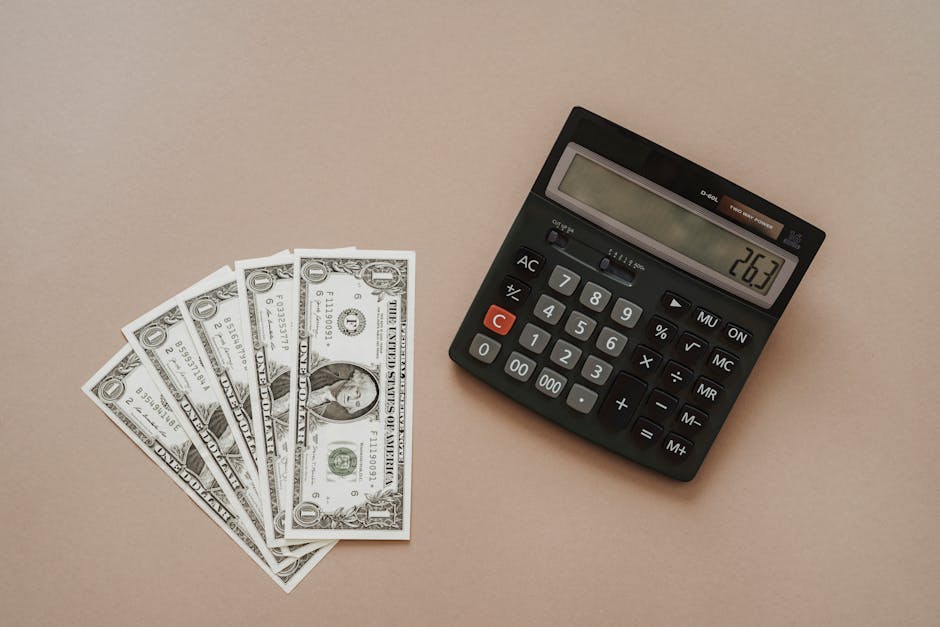
Photo by olia danilevich on Pexels
The bigger box isn't always the better deal
I used to grab whatever came in the largest container without thinking twice. Bigger pack, lower price per ounce, obviously smarter — that's the whole pitch of warehouse shopping. Then I actually started comparing the little unit-price tag on the shelf edge to what I was throwing away three weeks later, and the math got a lot less flattering.
Bulk buying can absolutely save you money. It can also quietly cost you money while feeling like a win, which is the more dangerous version because you never catch it. The difference comes down to three things nobody puts on the sticker: how fast you actually use the item, what it costs you to store it, and whether that upfront cash could've done something better sitting in your account instead.
What the unit price tag doesn't tell you
Every grocery store is required to post a price-per-unit number — price per ounce, per pound, per count — usually in small print under the shelf price. It's genuinely useful for comparing two sizes of the same item side by side. But it only measures one variable: cost at the register. It says nothing about cost after you leave the store.
Take a jumbo bag of spinach versus a small clamshell. The unit price on the big bag might be 40% lower per ounce. If you're a household of one who cooks spinach twice a month, that "savings" evaporates the moment half the bag turns to slime in the crisper drawer. You didn't save 40% — you paid full price for the half you used and then paid again, in food waste, for the half you didn't.
This is the part unit pricing can't account for: your actual consumption rate. A deal only exists if you use the product before it goes bad, expires, or just becomes clutter you never touch.
The three real costs of buying in bulk
Spoilage and expiration
Perishables are the obvious trap — produce, dairy, bread, anything with a "best by" date measured in days. But it applies to shelf-stable stuff too. Spices lose potency. Flour and nuts can go rancid faster than people expect, especially in a warm pantry. Vitamins and supplements degrade. If a bulk size takes you eight months to work through something that's only good for four, you're not saving — you're pre-paying for trash.
Storage space, which has a cost even if you don't see a bill for it
A 24-pack of paper towels or a case of canned goods needs somewhere to live. If that somewhere is a spare closet, fine. If it's stacked in a hallway or crammed into a kitchen that's already tight, you're trading square footage — which you're paying rent or mortgage on — for a discount that might be a few dollars. Nobody puts "opportunity cost of your closet" into the savings calculation, but it's real.
Cash tied up in a shelf-stable case of paper towels
This one's the sneaky one. Say you drop $140 at a warehouse club on a stock-up trip instead of $60 for what you'd need over two weeks. That extra $80 isn't in your checking account earning you flexibility anymore — it's sitting in your pantry as toilet paper. If you're carrying any credit card balance, or your emergency fund is thin, that $80 tied up in inventory is money that isn't available when the car needs a repair. I've written before about how sinking funds smooth out irregular expenses, and bulk buying works against that same logic — it front-loads cash into stuff instead of keeping it liquid for whatever actually comes up.
A worked example: the membership math

Photo by https://kaboompics.com/ on Pexels
Say you're comparing a regular grocery run to a Costco-style trip. You take home $3,800 a month and you're eyeing a membership that runs somewhere around $60 a year.
- Paper towels, at bulk unit price: save maybe $0.15 a roll versus your regular store's store brand
- Buy 12 rolls a month → $1.80 saved monthly, $21.60 a year
- Canned tomatoes: save $0.20 a can, buy 6 a month → $14.40 a year
- Olive oil in the giant tin: genuinely a good deal if you cook a lot, real savings maybe $15–20 a year
- Add up several categories like this and you might land near $60–90 in annual savings — which barely clears the membership fee, sometimes doesn't
Now compare that to just buying the store brand at your regular grocery store, no membership, no minimum trip size, no 20-minute drive to a warehouse location. For a lot of single people and small households, the membership math is closer than the marketing wants you to believe. For a family of five going through gallons of milk and mountains of chicken thighs every week, the math flips hard in favor of bulk — because the consumption rate actually matches the pack size.
The honest answer is that bulk buying is a household-size problem disguised as a math problem.
When bulk buying genuinely wins
To be clear, I'm not anti-bulk. It's the right call when:
- The item doesn't expire or degrades slowly — toilet paper, trash bags, laundry detergent, canned goods you know you'll rotate through
- You have a large household that will realistically finish the quantity before quality drops
- You have actual storage space you're not paying a premium for
- The per-unit discount is large enough to matter, not just technically lower
Where it goes wrong is when the size of the discount becomes the whole decision, and consumption rate, storage, and cash flow never enter the conversation. A 12% unit-price discount on something that spoils before you finish it isn't a discount. It's a loss with good PR.
FAQ
Is a warehouse club membership worth it for a single person living alone?
It depends on what you're actually buying there. If it's mostly perishables and household products you use slowly, the membership fee plus the spoilage risk often eats the savings. It tends to make more sense if you're stocking genuinely non-perishable items, splitting a membership with someone else, or making occasional trips for specific big-ticket deals rather than weekly grocery runs.
How do I know if a bulk size is actually cheaper than buying smaller?
Check the shelf unit-price tag first — that tells you the per-ounce or per-count cost. Then ask yourself honestly how long it'll take you to use the whole thing at your normal pace, and whether that timeline is shorter than the product's shelf life. If the timeline is close or you're unsure, the smaller size is the safer bet even at a slightly higher unit price.
What household items are safest to always buy in bulk?
Things that don't degrade meaningfully over time and that everyone uses at a predictable rate: toilet paper, paper towels, trash bags, laundry detergent, dish soap, and canned or dried goods with long shelf lives like rice, dried beans, and canned tomatoes. These are close to risk-free bulk buys for almost any household size.
The takeaway
Unit pricing is a useful tool, but it's answering a narrower question than most people think — it's telling you the cheapest price per ounce, not the cheapest total cost of ownership. Before you load up the cart because the big size "obviously" saves money, run it through the questions the shelf tag skips: will you actually finish it, where's it going to live in the meantime, and is tying up that cash worth what you're saving. Sometimes the answer is yes, buy the case. Sometimes the smaller, slightly pricier option is the one that actually keeps more money in your pocket by the time everything's said and done.
Keep reading
- Round-Up Savings Apps Feel Like Free Money Until You Run the Fee Math
- The Sinking Fund Trick That Makes Irregular Expenses Stop Wrecking Your Budget
- Your Credit Score Didn't Move After You Paid Off That Card — Here's the Timing Nobody Explains
#grocerysavings #budgeting #unitpricing #everydayexpenses
Comments
Post a Comment