Photo by www.kaboompics.com on Pexels
Stop blaming your coffee habit
Somewhere along the way, personal finance advice got obsessed with lattes. Skip the coffee shop, brown-bag your lunch, cancel the streaming service you watch twice a month — and supposedly you'll retire early. I get why this advice is popular. It feels achievable and a little virtuous. But it also quietly lets the bigger leaks in your budget off the hook.
Here's the math nobody likes to say out loud: a $5 daily coffee habit costs roughly $150 a month. That's real money, sure. But it's small compared to what most people are losing to auto-renewals, insurance they haven't shopped in years, and fees they don't even notice on a statement. Fix the coffee habit if you genuinely don't enjoy it anymore. If you do enjoy it, there are better places to look first.
The subscription pile is bigger than you think
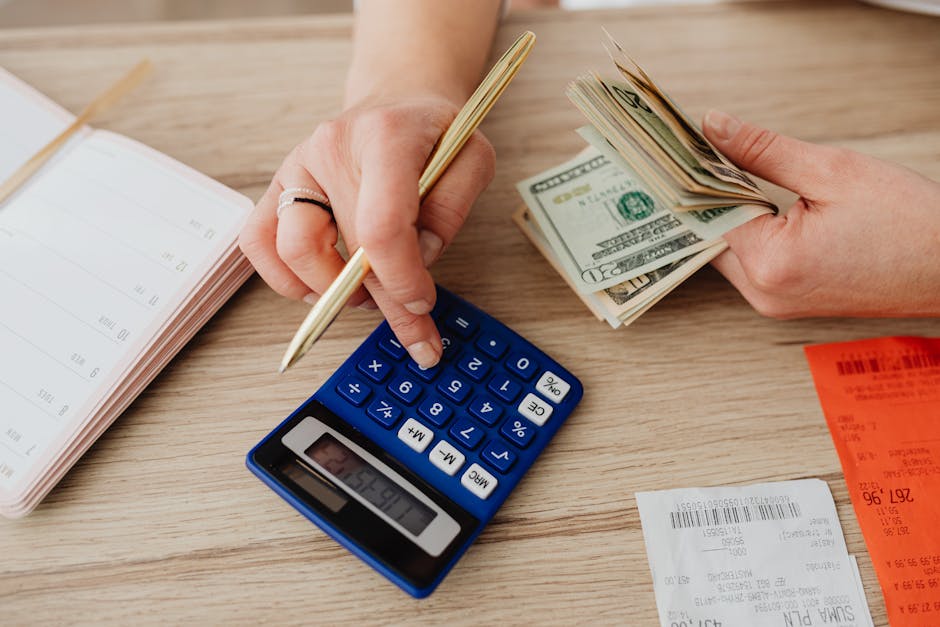
Say you take home $3,800 a month. You'd probably guess your subscriptions add up to $40 or $50. Pull your last two bank statements and actually list them — streaming, a meal kit you tried once, a gym app, cloud storage, a news site, maybe a box subscription someone gifted you a "free trial" of eleven months ago. It's common for that list to land somewhere between $120 and $200 once you count everything, including the ones charged annually that you forgot about entirely.
The annual ones are the sneaky part. A $90 charge that hits once a year barely registers on a monthly statement scan, so it survives budget cuts for years.
A simple way to catch this without obsessing over it:
- Once a quarter, scroll through a full month of bank and card statements line by line
- Flag anything recurring, even small amounts
- Ask "would I sign up for this again today, knowing what I know now?"
- Cancel anything where the honest answer is no
You don't need an app for this. A notes file and fifteen minutes works fine.
Insurance you haven't shopped in three years is a tax on loyalty
Auto and home/renters insurance premiums quietly climb every renewal, and most people just let the auto-pay go through because shopping around feels like a hassle. Insurers count on that inertia — it's part of the business model, not an accident.
This doesn't mean chase the absolute cheapest quote every year. Bouncing carriers constantly can backfire and sometimes signals higher risk to underwriters. But getting a couple of comparison quotes every two or three years, especially after a renewal notice with a jump you can't explain, is a completely reasonable thing to do. If your current insurer won't match a better quote, that tells you something.
Grocery waste, not grocery brand, is where money disappears
Photo by cottonbro studio on Pexels
People spend a lot of energy debating generic versus name-brand groceries, which does matter a little, but it's not the biggest lever. The bigger one is food that gets bought and then thrown out.
A rough, honest exercise: before your next grocery trip, check what's already in your fridge and pantry that's about to expire or get forgotten. Plan two or three meals around using that up first. It sounds almost too simple to matter, but food waste is one of those costs that never shows up as a single line item — it's death by a thousand slightly-too-optimistic grocery hauls.
Unit pricing is the other underused tool here. Most stores print a per-ounce or per-unit price on the shelf tag in smaller text below the sticker price. The bigger package isn't automatically cheaper per unit — sometimes the "family size" is a worse deal because of how it's positioned. Checking that number takes two seconds and it's more reliable than trusting the size of the box.
Where small cuts DO actually work
I'll push back on my own point for a second, because small-purchase guilt isn't wrong everywhere — it's wrong as a primary strategy. Where it works well is with genuinely impulsive, low-friction spending: one-click checkout on shopping apps, food delivery ordered out of tiredness rather than hunger, and "just add it to the cart, it's only $8" purchases that happen five times a week.
The fix isn't willpower, it's friction. Delete saved payment info from apps you overuse. Put a 24-hour rule on non-essential purchases over some threshold you pick, like $30. Unsubscribe from retailer email lists that exist purely to remind you they have a sale. None of this requires cutting things you actually value — it just removes the "it was right there so I bought it" moments.
FAQ
Should I still track small purchases like coffee at all?
Tracking is fine and can be useful for awareness, but treat it as data, not a moral failing. If you look at three months of spending and coffee is genuinely your biggest discretionary category, address it. For most people it isn't — subscriptions, insurance, and food waste usually outweigh it by a wide margin. Spend your limited budgeting energy where the dollars actually are.
How often should I actually review subscriptions and insurance?
A quarterly statement review for subscriptions catches most of the creep without becoming a chore. For insurance, checking in around each renewal notice and doing a real comparison-shop every couple of years is usually enough — you're looking for the outlier premium jumps, not trying to optimize every six months.
Isn't cutting small daily expenses easier than tackling bigger stuff?
It feels easier because it's low-stakes, which is exactly why it gets recommended so often. But "easier" and "effective" aren't the same thing. Reviewing a subscription list or requesting an insurance quote each take about the same fifteen minutes as agonizing over your coffee order — they just have a much bigger payoff per minute spent.
The takeaway
None of this is exotic advice — it's boring, and that's kind of the point. The money leaks that matter most usually aren't the ones you feel guilty about buying; they're the ones running quietly in the background because nobody's looked at them in a while. Before you swear off your next coffee, spend fifteen minutes with a real statement in front of you. Chances are the bigger fix is sitting right there, already paid for, and nobody's canceled it yet.
Comments
Post a Comment