You've probably noticed it without being able to prove it: the cereal box feels lighter, the ice cream tub has more air in it, the toilet paper roll looks... shorter, somehow. You're not imagining things. Shrinkflation — shrinking the product while keeping the price the same, or even raising it — has been a quiet fixture of grocery shopping for years now, and manufacturers have gotten better at making it hard to notice at a glance.
The problem isn't that shrinkflation exists. Companies have costs, and package sizes have always shifted around a little. The problem is that most of us have no system for catching it, so we just keep buying the same brand out of habit while quietly paying more per ounce every few months. This post is about the one habit that actually fixes that, and it takes about five minutes a month, not some heroic weekly audit you'll abandon by March.

Photo by cottonbro studio on Pexels
Why your gut instinct won't catch this
Here's the thing about shrinkflation: it's designed to slip past your gut. Nobody drops a bag of chips from 10 ounces to 6 ounces overnight — that would trigger a reaction. Instead it goes 10 to 9.5 to 9 to 8.5, each cut months apart, each one small enough that the box looks basically identical. Your brain is pattern-matching on the picture on the front, not the fine print on the side, so it just doesn't register.
Price does the same slow-motion trick from the other direction. A jar that was $4.99 becomes $5.29, then $5.49. Each bump feels minor. Stack a shrinking package on top of a rising price and you get a product that costs meaningfully more per unit than it did two years ago, while looking and feeling like "the same thing, just a bit pricier."
I've written before about sinking funds being the boring budgeting trick that actually works because it removes willpower from the equation — this is the same idea, just aimed at the checkout line instead of the calendar.
The habit: unit price, not sticker price, once a month
Every grocery shelf tag already has the answer, most people just don't read that part. Underneath the big price, in smaller print, there's a unit price — cents per ounce, per pound, per count. That number is the only honest comparison, because it strips out package size entirely.
The habit is simple:
- Pick the 5-8 items you buy on near-autopilot — coffee, cereal, laundry detergent, whatever's in your cart almost every trip.
- Once a month, glance at the unit price on those specific items instead of the total price.
- Snap a quick photo on your phone if you want a record, or just note it somewhere you'll actually see again.
That's it. You're not comparison-shopping every item every week — that's the kind of system nobody sticks with. You're building a rough mental (or literal) chart of whether your regulars are creeping up in cost-per-unit, and you're checking it rarely enough that it doesn't feel like a chore.
A worked example
Say you buy the same brand of coffee every few weeks. In January the bag is 12 ounces for $8.99 — about 75 cents an ounce. By June the bag is still $8.99, still looks the same on the shelf, but it's now 10.5 ounces. That's about 86 cents an ounce, a jump of roughly 14% with the price tag never changing at all. If you'd only been watching the sticker price, you'd have missed it completely. The unit price would have flagged it instantly.
Multiply that across six or seven household staples over a year and you're looking at a real, ongoing leak — not a dramatic one, but a steady one, which is exactly the kind that's easiest to ignore and hardest to undo once it's baked into your normal spending.
What to actually do once you catch a shrink
Catching it is only half the point — the other half is deciding whether to act. A few honest options, roughly in order of effort:
- Switch to the store brand for that item. Store brands get hit by the same input costs but tend to be more transparent about size changes, and the price gap between name-brand and store-brand often widens exactly when shrinkflation is happening.
- Buy the larger size if the unit price is actually better there. This isn't always true anymore — sometimes the "family size" has the worse unit price now, which is its own quiet trick. Check it, don't assume it.
- Just keep buying it, eyes open. Sometimes the brand loyalty or the taste is worth the extra 10-15%. That's a legitimate call. The point of tracking isn't to force you to switch everything, it's to make sure you're choosing to pay more instead of just not noticing.
- Rotate in a cheaper alternative for half your purchases. You don't have to go all-or-nothing on brand loyalty.
None of this requires an app, a spreadsheet you'll abandon in three weeks, or clipping anything. It requires looking at one small number on the shelf tag, once a month, on a short list of things you already buy.
Where this habit falls apart (and how to avoid that)
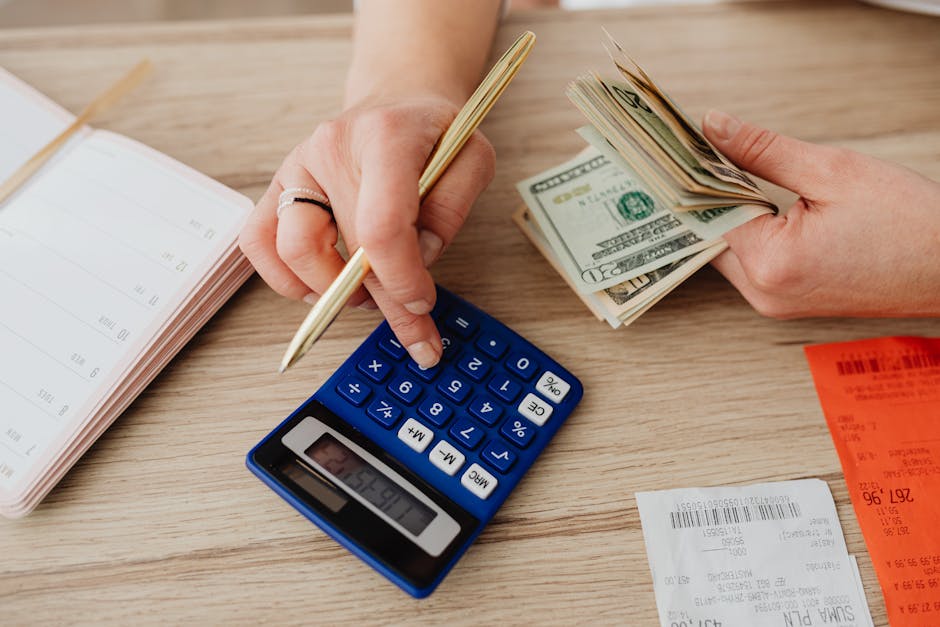
Photo by https://kaboompics.com/ on Pexels
The failure mode I see with this kind of tracking is the same one that kills most budgeting systems: people try to apply it to everything in the cart at once. Don't. If you try to unit-price-check 40 items every single trip, you'll do it twice and quit. Pick your regulars, check them monthly, ignore everything else.
The other trap is assuming bigger packaging always means a better deal. It used to, reliably. It doesn't anymore in a lot of categories, because retailers know shoppers default to "bulk = cheaper" and have adjusted pricing on large sizes accordingly. Trust the number on the tag, not the size of the box.
FAQ
Is shrinkflation even legal?
Yes. Companies are free to change package sizes as long as the labeling isn't actively deceptive about weight or count, which is required to be printed on the package. It's a pricing strategy, not fraud — which is exactly why the burden falls on shoppers to notice it rather than on any regulator to stop it.
Do store loyalty apps help track this?
Sometimes, indirectly — your purchase history can show you what you paid for an item over time. But most loyalty apps show total price, not unit price or package size, so you'll usually still need to eyeball the shelf tag or your receipt to catch a shrink specifically.
What if a product doesn't have a unit price listed?
Most large grocery chains require it by shelf-tag convention, but smaller stores or certain sections sometimes skip it. In that case, just divide price by weight or count yourself — it's one division, and your phone's calculator does the rest.
The takeaway
Shrinkflation isn't going away, and getting mad at it store by store isn't a strategy. What actually works is the same principle that works for every other part of a budget: build a tiny, boring, repeatable check instead of relying on noticing things in the moment. Five minutes, once a month, on the handful of items you buy without thinking — that's enough to keep your grocery bill honest without turning every shopping trip into a math project.
Comments
Post a Comment