A few years ago, buy now, pay later was mostly a checkout option for a new couch or a laptop you didn't want to put on a credit card. Now it's showing up on grocery delivery apps, gas station kiosks, and even some coffee shop apps, letting you split a $40 grocery run into four payments of $10. That should set off an alarm, and for most people it doesn't.
I've written before about round-up savings apps and whether they actually add up to anything. BNPL is sort of the mirror image of that problem: instead of a tool quietly saving you pennies, it's a tool quietly costing you money while feeling completely harmless. And because it's attached to purchases you were going to make anyway — food, gas, a haircut — it doesn't trigger the same wariness a store credit card would.
Let's talk about why that's a problem, and where BNPL is actually fine versus where it's just expensive debt wearing a friendly outfit.
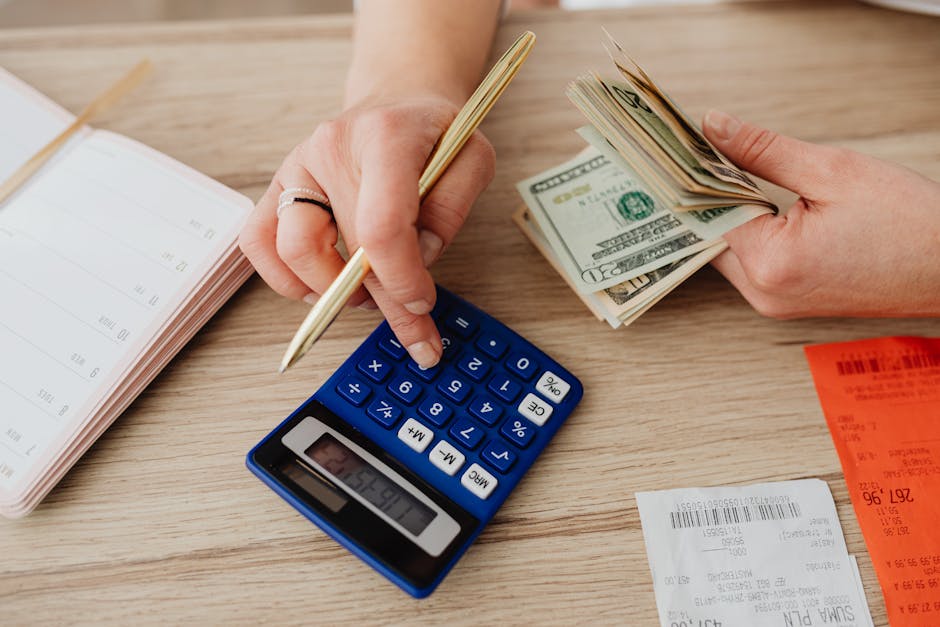
Photo by https://kaboompics.com/ on Pexels
The pitch versus what's actually happening
The pitch is simple: no interest, split into four payments, no credit check for most short-term plans. On paper, that sounds like a free budgeting tool. Spread a $120 grocery haul over a month, no fees, what's the harm?
The harm is that BNPL doesn't ask "can you actually afford this," it asks "can you afford one-quarter of this right now." Those are different questions. A lot of people using BNPL for everyday purchases aren't doing it because they're clever about cash flow — they're doing it because the full amount doesn't fit in the budget this week, and BNPL lets them not notice that.
That's the core issue with using short-term financing on things that get consumed immediately. When you finance a couch, you at least have the couch for years while you pay it off. When you finance groceries, the food's gone in a week and you're still paying for it three weeks later, at which point you're paying for last month's groceries and this month's groceries at the same time. That's how people end up running two, three, four BNPL plans simultaneously without ever quite tracking that they've committed a chunk of next month's paycheck already.
Where the real cost hides
The "no interest" claim is true for the standard four-payment plans, as long as you pay on time. The costs show up in three places:
- Late fees. Miss a payment and most BNPL providers charge a flat fee that, on a small purchase, can work out to an ugly percentage. A $7 late fee on a $35 payment isn't a rounding error.
- Stacking. Because each plan is small and separate, it's easy to have five or six open at once across different apps, each with its own due date. Nothing forces you to look at them together. Your bank account doesn't say "you owe $340 across four apps this week" — it just lets each charge hit as it comes.
- Longer-term plans with real interest. The four-payment, no-interest version is the one everyone talks about, but a lot of providers now offer longer installment plans that do carry interest, sometimes comparable to a credit card. Those get pitched for bigger everyday costs — vet bills, car repairs, even utility deposits — and they're a lot less "free" than the marketing suggests.
None of this means BNPL is a scam. It means it's a cash-flow tool, and cash-flow tools only work if you're already tracking your cash flow. If you're not, they just move the pain a few weeks down the road and add friction to seeing the full picture.
A worked example: the grocery run that becomes a subscription
Say you bring home $3,800 a month and your grocery bill runs about $550. One month is tight — car repair, a bigger utility bill, whatever — so you use a BNPL plan on a $140 grocery order, split into four payments of $35 over six weeks.
That doesn't feel like debt. It feels like convenience. But here's what tends to happen: the next grocery run is also a little tight, because you're now paying off the last one on top of the new one. So you split that one too. Three months in, you're not paying for groceries anymore — you're paying for four overlapping grocery installment plans, and your actual take-home cash flow looks tighter than it did before you started using BNPL to "help."
This is the same trap as minimum-payment credit card debt, just faster and on smaller purchases, which makes it easier to not notice. Nobody sits down and decides to finance groceries indefinitely. It happens one convenient split payment at a time.
When BNPL for everyday spending actually makes sense
Photo by cottonbro studio on Pexels
I'm not going to tell you it's never appropriate — that's not how any of this works, and plenty of people use it fine. It tends to hold up okay when:
- You're using it for a genuinely one-time, unusual expense (a big vet bill, a car repair) rather than routine recurring spending like groceries or gas.
- You'd pay it off within the interest-free window regardless, and you already have the cash sitting there — you're just choosing to keep it in your account a few weeks longer.
- You track it the same way you'd track a credit card balance, not as a separate mental category that doesn't count.
Where it stops making sense is when it becomes the default way you pay for recurring, consumable expenses. If you're financing this week's groceries with money from a job you haven't been paid for yet, the honest read is that your budget is short, and BNPL is hiding that shortfall rather than fixing it.
FAQ
Does using BNPL hurt my credit score?
It depends on the provider and the type of plan. Many short-term, four-payment BNPL plans historically haven't been reported to the major credit bureaus at all, though that's been shifting, and some providers now report on-time and missed payments. Longer installment plans are more likely to show up on your credit report. If you're not sure, check the specific provider's terms — don't assume it's invisible to your credit the way it used to be.
Is it worse than putting groceries on a regular credit card?
Not necessarily worse, just different. A credit card gives you one place to see everything you owe and one interest rate to reason about. BNPL splits your spending across separate apps and due dates, which makes it easier to lose track of the total even though each individual plan looks cheap. If you're disciplined about paying it off, either can work. If you're not, BNPL's fragmentation makes it easier to overextend without noticing.
What's a better way to handle a tight grocery month?
Before splitting a purchase, it's worth checking whether the tightness is a one-month blip or a sign your regular budget doesn't have enough slack — the fix is different depending on which one it is. A small buffer fund for exactly this kind of month does more long-term good than routinely financing consumables, because it doesn't create next month's shortfall while solving this month's.
The takeaway
BNPL isn't inherently reckless, but using it as a default way to pay for things you consume immediately — groceries, gas, everyday errands — quietly turns your regular budget into a debt schedule without ever feeling like debt. If you're going to use it, use it deliberately and rarely, not as the thing that quietly covers the gap every time your paycheck runs a little short. The gap is the thing worth fixing.
Comments
Post a Comment