Every few months, another headline tells you to do a "subscription audit." Cancel the streaming services you forgot about. Ditch the gym you haven't visited since January. Comb through your bank statement and slash anything you don't recognize. It's decent advice, as far as it goes. It's also aimed at the wrong number.
The real leak isn't the subscriptions you forgot you have. It's the ones you use every week, that you'd happily keep paying for — except the price crept up three or four times since you signed up, and you never noticed because the charge still just says "Netflix" or "Planet Fitness" or "Spotify." You didn't get ripped off in one dramatic moment. You got ripped off a dollar or two at a time, on a schedule designed to stay under your radar.
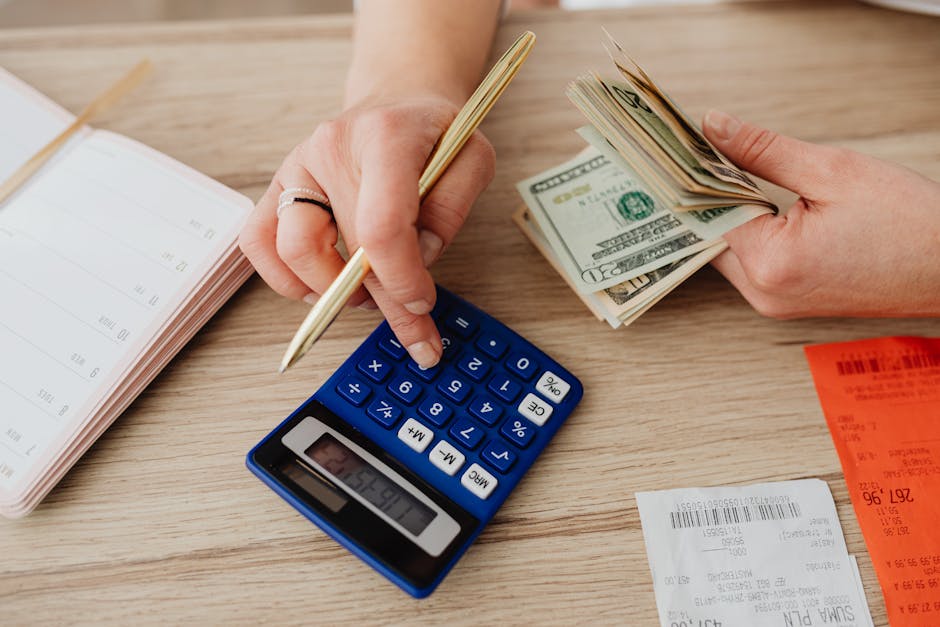
Photo by https://kaboompics.com/ on Pexels
The math nobody does: renewal creep vs. one-time waste
Say you're paying for a streaming bundle, a music service, a cloud storage plan, and a gym membership. When you signed up, that was maybe $54 a month combined. Eighteen months and a handful of "we're updating our pricing" emails later, it's $71. Nobody canceled anything. Nobody added a service. The base subscriptions just got quietly more expensive, the way rent does, except nobody sat you down to negotiate it.
Compare that to the classic subscription-audit win — finding one forgotten $9.99 app charge and canceling it. That's a real save, sure. But it's a single event. Renewal creep is compounding and invisible, which makes it worse over a year, not better. I've written before about how sinking funds catch the "surprise" expenses that aren't actually surprises — renewal creep is the same idea wearing a different hat. It's not random. It's just not on your calendar.
Why "just check your statement" doesn't catch this
Skimming your bank statement for subscriptions catches things that don't belong there. It does almost nothing for things that do belong there but cost more than they used to, because your brain pattern-matches on the merchant name, not the amount. You see "Spotify — $12.99" and your eyes slide right past it, even if you were paying $9.99 a year ago and don't remember the increase.
This is the same blind spot that makes unit pricing so easy to miss at the grocery store — the label looks familiar, so you stop reading the number. Familiarity is doing a lot of quiet damage to your budget.
A better way to actually catch it
You don't need a subscription-tracking app for this (and if you do use one, it's worth asking who's paying for it and how — that's a rabbit hole I've gone down before with "free" budgeting apps). What works is boring and takes fifteen minutes, twice a year:
- Pull up your last 60 days of transactions and list every recurring charge with its current amount next to it.
- Next to each one, write what you paid when you signed up, if you can remember or find the confirmation email.
- Flag anything where the gap is more than about 15–20%.
- For each flagged item, decide once: keep at the new price, downgrade the tier, or cancel.
That's it. The trick isn't the spreadsheet — it's forcing yourself to write the actual current number next to the price you have in your head. Most people carry around a stale mental price tag for every subscription they own. This exercise updates it.
The renewal-date trick that makes this almost automatic
Most recurring services bill on a fixed date every month or year. If you know that date, you can set one reminder — not a budgeting app, just a calendar alert — for a few days before the annual ones renew (gym contracts, streaming annual plans, software licenses, insurance policies). That's the window where you actually have leverage: cancel, downgrade, or call and ask about a better rate before the higher price locks in for another twelve months. After it renews, you've lost your easiest exit point until next year.
Insurance is the biggest version of this. Auto and home insurance premiums often creep up at renewal even when nothing about your risk has changed, and most people just let the new rate autopay because reshopping feels like a hassle. It's worth treating your policy renewal date like a subscription renewal date — worth a look, not necessarily a switch every single year, but worth a look.
A quick worked example

Photo by https://kaboompics.com/ on Pexels
Let's say your recurring monthly charges look like this when you actually total them up: streaming bundle $23, music $12, cloud storage $3, gym $45, a meal-kit-adjacent app you use twice a month $8. That's $91 a month, $1,092 a year. Now imagine each of those has drifted up 10–15% since you signed up and you genuinely don't remember the original price on any of them. You're not looking at "cancel everything and feel deprived." You're looking at maybe $10–15 a month recoverable just by downgrading the storage tier you don't need, dropping the app you use twice a month for a pay-per-use option, and calling the gym to ask about their current new-member rate versus what legacy members are paying. That's $120–180 a year, found without cutting anything you actually value.
Why this beats "cut all subscriptions"
The advice to nuke your subscriptions treats them as inherently wasteful, which isn't true for most people — you probably use your streaming service and your gym. Blunt-force cutting also doesn't survive contact with real life; you cancel, you miss it, you resubscribe in month two, sometimes at a worse promotional rate than you had before. Checking renewal prices instead keeps the stuff you actually get value from and only targets the part that's genuinely creeping past what it's worth to you. It's a system, not a willpower test — you do it on a schedule, not when you're feeling virtuous.
FAQ
How do I find out what I was originally paying for something?
Search your email for the signup or "welcome" confirmation, or check your bank/card statement from around when you started. If you truly can't find it, just start tracking the current price now and compare six months forward instead of backward.
Is it worth using an app that tracks subscriptions automatically for me?
It can save time, but remember these apps usually make money either by charging you directly or by monetizing the transaction data they see, so read how they're funded before linking your bank account. A twice-a-year manual check costs nothing and catches the same thing.
What if I call to negotiate and they say no?
That happens, and it's fine — the ask itself costs you five minutes and nothing else. Some services (gyms and streaming services especially) have retention offers they only give when you ask to cancel, not when you ask to negotiate, so framing the call as "I'm thinking of canceling" often gets a different answer than "can I get a discount."
The takeaway
You don't need to declare war on your subscriptions to save real money on everyday expenses. You need to stop trusting your memory of what they cost. Write the current numbers down twice a year, put a reminder on the renewal dates that matter, and treat price creep as the thing it actually is — a recurring decision being made for you, silently, unless you decide to make it yourself instead.
Comments
Post a Comment